

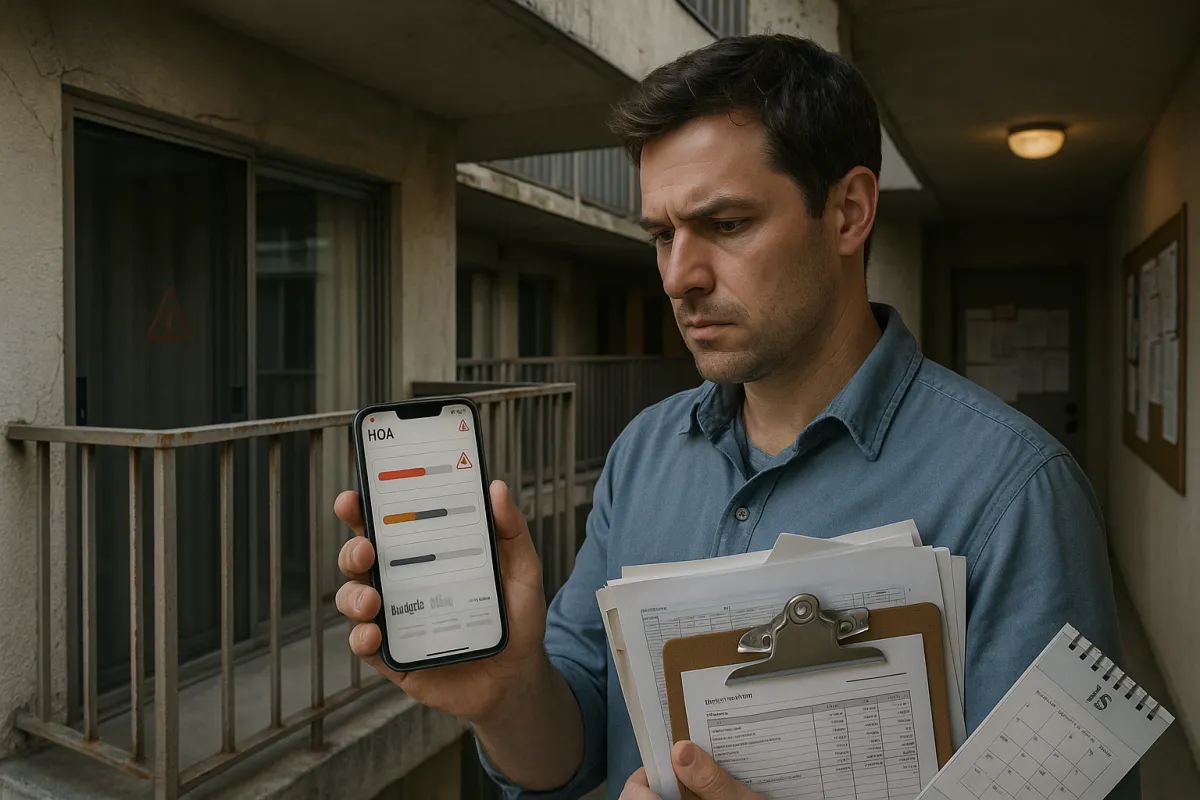
VA-Approved Condos: What That Stamp Really Means (And Why You Should Think for Yourself)
The "Approved" Assumption
When you see a condo listing marked "VA-Approved," it feels like validation. It sounds like the Department of Veterans Affairs has vetted the building, reviewed the financials, and confirmed it's a safe investment.
And in many ways, you're right to feel confident. The VA loan program is one of the best mortgage products available—offering zero down payment, no monthly mortgage insurance, and competitive rates. For veterans, service members, and military families, it's a powerful tool for building wealth and homeownership.
But here's the part that often gets lost in translation:
"VA-Approved" tells you the building qualifies for VA financing. It doesn't necessarily tell you whether the building is currently well-managed, financially stable, or a smart long-term investment.
This guide isn't here to scare you away from condos or VA loans—both are excellent options when used wisely. Instead, this is your reality check and your roadmap. It's designed to help you think for yourself, look beyond the approval stamp, and make sure the home you buy today doesn't become a financial headache tomorrow.
What Does "VA Condo Approval" Actually Mean?
To use a VA loan on a condo, the entire complex (called the "project") must be approved by the VA. This approval process confirms that the condo project meets specific legal and financial requirements at the time of review, including:
Marketability: The building must be legally saleable and insurable
Safety Standards: Basic structural integrity and insurance coverage
Financial Stability: Adequate budgets and reserve funds at the time of approval
Owner-Occupancy Ratios: Enough residents living in the building (not just investors)
When a building meets these criteria, it gets placed on the VA's approved condo list. And that's where buyers can use their VA loan benefits.
So far, so good, right?
The Gap: Why "Approved" Isn't Necessarily "Current"
Here's the critical detail most buyers don't know:
VA condo approvals generally do not expire.
Once a building is approved, it typically stays on the list indefinitely—unless someone reports a specific issue that forces its removal. This means a condo complex could have been approved in 2010, 2015, or 2018 based on its financials and condition at that time.
Fast forward to today:
The roof might be 15 years older
The reserve fund might have been drained by emergency repairs
The HOA might be debating a $15,000 special assessment
Insurance costs may have skyrocketed, straining the budget
The approval stamp tells you the building was compliant in the past. It doesn't guarantee the building is healthy right now.
Why This Matters to You (And Why Lenders Won't Always Flag It)
Lenders and real estate agents are focused on getting the loan approved and the deal closed. That's their job, and they're often very good at it.
But their definition of "approved" is: "Does this building allow VA financing?"
Your definition should be: "Is this building financially sound enough that I won't regret buying here in 2-3 years?"
If you don't ask the deeper questions, you risk walking into a building that looks compliant on paper but is struggling behind the scenes. The two most common risks are:
1. Special Assessments (The Surprise Bill)
If a condo association runs out of money for a major repair—like a new roof, elevator replacement, or plumbing overhaul—they pass the cost to the owners. This is called a "Special Assessment."
These can range from a few thousand dollars to $20,000 or more per unit, often due immediately or over a short payment period.
If the building's approval is outdated, it won't reflect the fact that the HOA board is currently debating this massive fee—or that reserves are too low to avoid one.
2. Deferred Maintenance (The Ticking Time Bomb)
Some HOAs keep monthly dues artificially low by delaying necessary repairs. Residents love the low fees—until the elevator breaks, the roof starts leaking, or the siding needs replacement all at once.
You might get a low monthly payment now, but you're buying into a future liability.
How to Think for Yourself: The Due Diligence Checklist
You don't have to be a forensic accountant or a building inspector to protect your investment. You just need to know where to look and what questions to ask.
Here's your practical guide to verifying the health of the building before you commit:
✅ 1. Request HOA Meeting Minutes (Last 12-24 Months)
Budgets show you the math. Meeting minutes show you the reality.
This is where you'll find discussions about:
Leaks, structural issues, or ongoing repairs
Owner complaints or disputes
Pending lawsuits or insurance claims
Debates about raising dues or issuing assessments
How to get them: Ask your real estate agent to request these from the seller or property manager.
✅ 2. Review the Reserve Study
The reserve study is like a health report for the building. It tells you:
How much life is left in major components (roof, siding, HVAC, elevator, etc.)
Whether the HOA has enough money set aside to replace them
What the "percent funded" ratio is (ideally 30% or higher)
Red flag: If the reserve fund is below 20-30% funded, ask why—and whether a special assessment is being discussed.
How to get it: This should be included in the condo documents your lender orders, but you can also request it directly from the HOA.
✅ 3. Verify Insurance Coverage
The condo association's master insurance policy should cover 100% of the replacement cost of the building structure.
If it doesn't, you (and every other owner) could be underinsured in the event of a disaster—and on the hook for tens of thousands in uninsured losses.
How to check: Ask your lender or agent to confirm the master policy's coverage limits and whether there are any gaps.
✅ 4. Ask About Upcoming Assessments
Don't assume silence means "no."
Have your agent ask the seller or property manager in writing:
"Are there any special assessments currently approved, proposed, or under discussion by the HOA board?"
This protects you from inheriting a surprise bill shortly after closing.
✅ 5. Check the Budget for Red Flags
Look at the HOA's annual budget and ask:
Are dues increasing significantly year over year?
Is the HOA running a deficit?
Are they dipping into reserves to cover operating expenses?
These are signs the building may not be managed sustainably.
You Don't Have to Do This Alone
If reviewing financial documents and reserve studies feels overwhelming, that's completely normal. Here's the good news: you have backup.
Real Estate Attorneys
Many buyers don't realize they can hire a real estate attorney to review the condo documents for a flat fee (often $300-$500). It's a small investment for peace of mind and can save you from a costly mistake.
An attorney can help you:
Spot red flags in the governing documents
Interpret financial statements and meeting minutes
Advise you on whether to proceed, negotiate, or walk away
Experienced Lenders
Working with a loan officer who specializes in condo financing can also make a huge difference. We can often identify issues in the insurance, reserves, or budget early in the process—before you've spent money on inspections or appraisals.
This guide is here to help you understand what to look for, but you're not expected to be the expert. Use the professionals around you to verify what matters most.
Final Takeaway: The Stamp Is Permission, Not Protection
A "VA-Approved" condo can be a fantastic home and a smart investment. The approval allows you to use your hard-earned VA benefits to get into the market with zero down and no mortgage insurance—an incredible advantage.
But remember:
The stamp is permission to use your VA loan. It's not a guarantee of the building's current financial health.
By taking a few extra steps to verify the condo's condition and finances, you move from "hoping it's okay" to "knowing it's a smart buy."
You're not being paranoid. You're being smart.
Ready to Buy with Confidence?
Want to make sure your condo purchase is as solid as your financing? Let's review your scenario together—whether you're looking at a specific building or just getting started.
We help buyers navigate the details so you can close with confidence and peace of mind.
👉 Book your free consultation now. Send me an email at [email protected].
Disclaimer: This guide is for educational purposes and does not constitute legal, financial, or investment advice. Always consult with qualified professionals—including real estate attorneys and financial advisors—when making homeownership decisions.


